



The Vertical Advantage: Why You Should Store Pots and Pans Standing Up

We have all heard the loud metal crash when trying to pull a single frying pan out of a messy, stacked cabinet. The 'stack of doom' is a common kitchen frustration that scratches non-stick coatings, damages pot lids, and wastes precious cooking time. Trust me on this—there is a much better way to organize your cookware.
Before we dive in, if you want an instant upgrade to organize your kitchen cabinets, check out our favorite Adjustable Pot Rack Organizer. It is a total game-changer for storing frying pans, baking sheets, and lids standing up, saving your cabinet wood and non-stick surfaces from damage.
Pots and pans are bulky and have awkward handles, making them difficult to store neatly. Storing cookware vertically is the secret key to keeping your cabinets quiet, scratch-free, and beautiful. Let's explore the benefits of vertical cookware storage and how to implement it.
Step 1: The Kitchen Cookware Audit
Empty your cabinets and inspect your pots. Discard any warped pans, severely scratched Teflon pans, or lidless pots that you haven't used in a year. Group your remaining pots and pans by size and type.
Step 2: Install a Vertical Pot Rack
Instead of stacking pans, place an adjustable metal rack inside your cabinet or deep drawer. Adjust the divider slots to match the thickness of your pans. Slide frying pans and cast iron skillets in sideways so handles face forward.
Step 3: Organize Lids Separately
Lids are the hardest part of cookware storage. Slide lids into the narrow divider slots on your vertical rack, or mount adhesive hooks on the inside of cabinet doors to hang lids neatly at eye level.
Step 4: Protect Non-Stick Coatings
If you must stack larger pots due to cabinet height limits, always place felt protector pads or soft cloths between them. This prevents metal-on-metal friction and extends the life of your non-stick pans.
Step 5: Utilize Deep Drawers
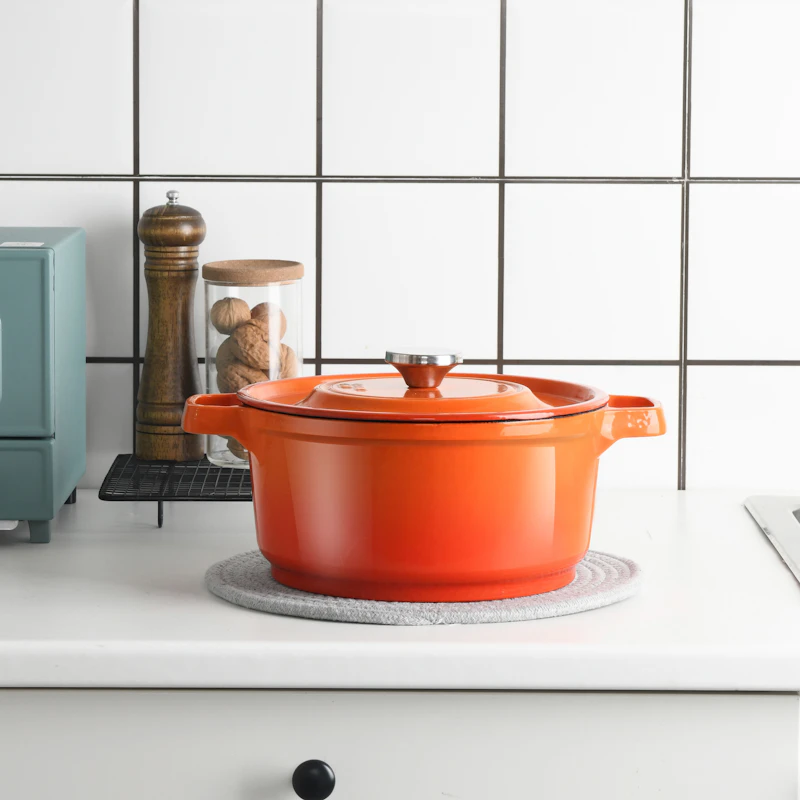
Deep drawers are perfect for heavy cast iron skillets and Dutch ovens. Install heavy-duty drawer divider bars to keep pots standing upright so they don't slide around when you open the drawer.
Common Mistakes to Avoid
- Stacking heavy cast iron on thin Teflon: Heavy cookware will easily scratch and ruin delicate non-stick coatings.
- Storing wet cookware: Always dry pots and lids completely before storing to prevent water spots and rust.
- Keeping duplicate sizes: If you only cook for two, keep only the essential frying pans and donate the duplicates.
Frequently Asked Questions
Q: Can I hang pots and pans on the wall?
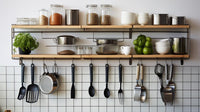
A: Yes, hanging pots on a wall-mounted pegboard or ceiling rack is a great farmhouse-style way to save cabinet space.
Q: How do I clean burned stains off pan bottoms?
A: Make a paste of baking soda and vinegar, scrub gently with a non-scratch sponge, and rinse with warm water.
Q: Will my heavy Dutch ovens fit on a vertical rack?
A: Heavy Dutch ovens are best stored flat on a lower shelf or deep drawer due to their weight. Use the vertical rack for lighter pans.
Outro
Saying goodbye to the 'stack of doom' makes preparing dinners much faster and keeps your kitchen peaceful. Install a vertical organizer today, protect your cookware, and enjoy a quiet kitchen cabinet!

