



Neurodivergent-Friendly Organization: ADHD Organization Tips That Actually Work

Home Organization Built for How Your Brain Works
Traditional organization advice is full of rules like: "Put everything behind closed cabinet doors" or "Maintain a strict, matching labeling system." But if you have ADHD or identify as neurodivergent, these rules can actually make organization harder. When items are hidden out of sight, they often cease to exist in your mind ("out of sight, out of mind"), leading to duplicates and clutter.
Neurodivergent-friendly organization is all about working with your brain, prioritizing visual access, and reducing the steps needed to put things away.
1. The Golden Rule: Out of Sight is Out of Mind
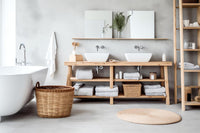
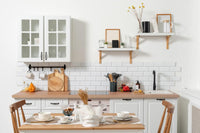
If you need to see things to remember they exist, embrace open shelving. Use clear plastic storage bins instead of solid, opaque baskets. This lets you scan your pantry or closet instantly and see exactly what you have.
2. Reduce Barriers to Putting Things Away
Make tidying as easy as possible. If putting a coat away requires opening a closet door, taking out a hanger, hanging the coat, and closing the door, you are likely to just drop the coat on a chair. Instead, install large wall hooks in your entryway. Hanging a coat on a hook takes just one step.
3. Use Labeled Zones, Not Specific Slots
Don't worry about keeping items lined up in perfect rows. Create broad "zones" using open baskets. For example, have a basket labeled "Socks" where you can just throw clean socks without folding or matching them. It keeps the clutter contained with minimal effort.

4. Color-Code Your Storage
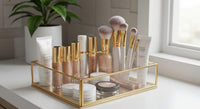
Color is a powerful visual cue. Assign different colored bins to different categories: blue for cleaning supplies, green for first aid, and pink for beauty products. This helps your brain find items instantly without needing to read labels.
Shop Our Curated Decor Essentials
There is no 'correct' way to organize. The best system is the one that works for you and reduces your daily stress!
Common Mistakes to Avoid
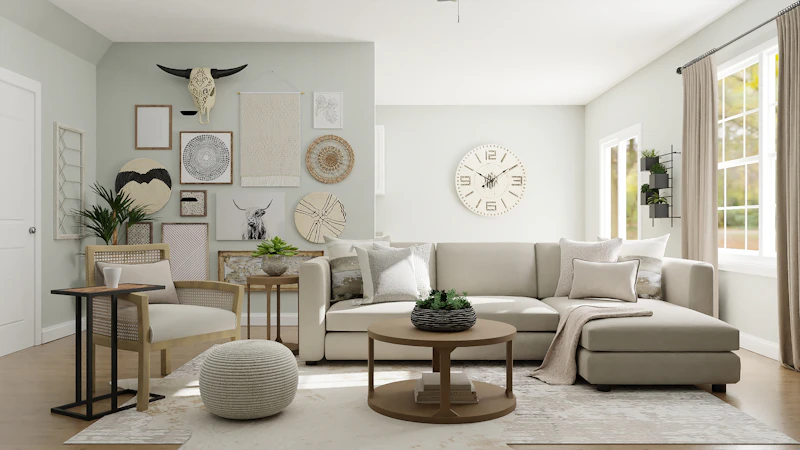
- ❌ Pushing all furniture against walls: This makes a living room feel cold and empty in the center. Float your sofa and chairs inward to create an intimate seating zone.
- ❌ Relying on a single overhead light: Relying only on a ceiling fixture creates harsh shadows. Use floor lamps, table lamps, and candles to create layered, cozy lighting.
- ❌ Displaying too many small decor items: A collection of tiny frames and figurines looks messy. Opt for fewer, larger statement pieces to let the design breathe.
Frequently Asked Questions
How do I choose the correct rug size?
For standard living rooms, an 8x10 or 9x12 rug is usually required to ensure your furniture rests on it comfortably.
How do I style a bookshelf?
Mix horizontal stacks of books and vertical rows. Leave 30% of the shelf empty to display decorative objects and plants.
How do I make a dark room brighter?
Paint the walls a warm off-white, hang a large mirror opposite the main window, and use lightweight sheer curtains instead of heavy drapes.

