



How to Organize a Small Kitchen Without a Pantry

Living in a home with a small kitchen can feel like a daily balancing act. Without a dedicated pantry closet, grocery items, spices, and cooking appliances quickly pile up on your countertops, creating visual noise and clutter. Trust me on this—you do not need a large walk-in pantry to have an organized and beautiful kitchen.
Before we dive in, if you want an instant upgrade to keep your kitchen cabinet spaces clean, check out our favorite 360-Degree Rotating Spice Rack. It is a game-changer for keeping daily seasonings organized and accessible without cluttering your limited cabinet space.
Creating a highly functional kitchen is all about maximizing vertical height, using cabinet organizers, and editing your cooking tools down to the essentials. Let's walk through 5 designer tips to turn your tiny kitchen into an organized, stress-free cooking zone.
Step 1: Use Open Shelving for Daily Dishes
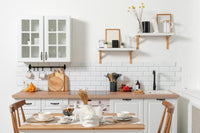
When cabinet space is scarce, remove cabinet doors or mount floating wooden shelves on empty wall spaces. Store your daily plates, bowls, and mugs here. This frees up precious cabinet space for dried foods, while making it easy to grab what you need during meal prep.
Step 2: Group Foods by Category in Cabinets
Convert one or two upper cabinets into a mini-pantry. Group food items together in small baskets (e.g., baking supplies, breakfast items, canned goods). Using baskets prevents small boxes from getting lost in the back and lets you pull out the entire basket at once.
Step 3: Organize Spices on a Turntable
Mismatched spice jars are a major source of visual clutter. Transfer seasonings into matching glass jars and place them on a rotating turntable. A quick spin brings the spices you need straight to you, keeping your countertop clear of messy baggies.
Step 4: Go Vertical Around Plumbing
The space under the kitchen sink is often neglected. Maximize this area by installing pull-out L-shaped metal drawers. This allows you to store cleaning supplies, dish soap, and trash bags vertically around pipes, freeing up kitchen cabinets for food storage.
Step 5: Edit Appliances Down to Essentials
Do you really use that bread maker or waffle iron every week? If not, box them up and store them in a closet or basement. Keep only daily-use appliances (like your coffee maker) on your countertops to maintain a spacious feel.

Common Mistakes to Avoid
- Overstuffing cabinets: Leave a little breathing room so items are easy to grab without causing an avalanche.
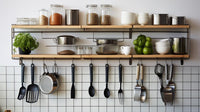
- Ignoring wall space: Hang mugs, cooking spoons, and pans on wall-mounted racks or pegboards to free up counter space.
- Buying in bulk: When space is small, avoid giant bulk food boxes. Buy only what you need for the week to keep cabinets tidy.
Frequently Asked Questions
Q: Where should I store canned goods without a pantry?
A: Stack canned foods neatly on a cabinet shelf-riser or place them in a slim rolling cart that slides between your fridge and cabinet.
Q: How do I keep my small kitchen clean daily?
A: Wipe counters every evening and put spices back on their turntable immediately after cooking to prevent clutter buildup.
Q: Can I use baskets inside deep cabinets?
A: Yes, plastic or wire baskets act like drawers, allowing you to slide them out and reach items stored in the very back.
Outro
Organizing a small kitchen without a pantry requires a bit of creativity, but the result is a functional, beautiful space that makes cooking a joy. Take it one cabinet at a time, organize your daily seasonings, and enjoy your cozy home!

